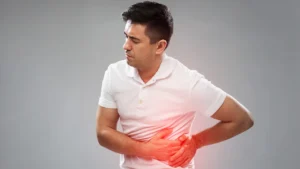

Heart attacks rarely happen without warning. The problem is that the warning signs are often so mild or unexpected that people brush them off as gas, tiredness, stress, or muscle pain. By the time they realize something is seriously wrong, precious time has already been lost.
The good news is that recognizing the early symptoms of a heart attack can help you seek medical care sooner, improving the chances of survival and reducing permanent damage to the heart.
Here are ten silent warning signs that should never be ignored.
1. Chest Discomfort That Doesn’t Feel Normal
Chest pain is the symptom most people associate with a heart attack, but it isn’t always a sharp pain. Many people describe it as pressure, tightness, heaviness, or a squeezing sensation in the center or left side of the chest.
The discomfort may last for several minutes or come and go. Even if the pain isn’t severe, it’s important to take it seriously, especially if it appears suddenly.
2. Pain That Travels to Other Parts of the Body
Heart attack pain often spreads beyond the chest. It can move into the left arm, both arms, shoulders, neck, jaw, or upper back.
Some people, particularly women, may only experience pain in these areas without noticeable chest discomfort, making it easy to mistake the symptoms for a muscle strain or dental problem.
3. Shortness of Breath
Feeling out of breath while resting or doing light activities can be an early warning sign that your heart isn’t pumping blood effectively.
If climbing a few stairs or walking a short distance suddenly leaves you breathless, especially when combined with chest discomfort, you should seek immediate medical attention.
4. Breaking Out in a Cold Sweat
Suddenly becoming sweaty without exercise or hot weather is another symptom that people often ignore.
A cold, clammy sweat accompanied by chest discomfort, dizziness, or nausea should never be dismissed.
5. Unusual Fatigue
Extreme tiredness that appears without a clear reason can sometimes be one of the earliest signs of a heart attack.
This symptom is particularly common in women. Everyday activities that normally feel easy may suddenly become exhausting, and the fatigue may continue for hours or even days before the heart attack occurs.
6. Nausea or Indigestion
Not every heart attack feels like a heart problem. Some people experience symptoms that resemble indigestion, heartburn, or an upset stomach.
If nausea, vomiting, or persistent discomfort in the upper abdomen occurs alongside other warning signs, it’s important not to assume it’s simply a digestive issue.
7. Dizziness or Feeling Faint
A sudden feeling of dizziness, lightheadedness, or fainting may indicate that your heart isn’t delivering enough blood to your brain.
Although dizziness has many possible causes, it should be treated as an emergency if it occurs together with chest pain, shortness of breath, or sweating.
8. Pain in the Upper Back, Neck, or Jaw
Heart attack pain doesn’t always stay in the chest. Some people notice aching or pressure in their upper back, neck, or jaw.
Because these symptoms are unusual, they are often mistaken for poor posture, arthritis, or muscle tension. However, persistent pain in these areas—especially when combined with other symptoms—deserves immediate medical evaluation.
9. A Feeling That Something Isn’t Right
Many heart attack survivors describe an unexplained feeling that something was seriously wrong before the attack happened.
This sense of impending doom may sound unusual, but it is a real symptom reported by many patients. Trust your instincts if you suddenly feel unwell without an obvious reason.
10. Symptoms That Come and Go
One of the biggest misconceptions is that heart attack symptoms are constant and unbearable.
In reality, the discomfort may appear for a few minutes, disappear, and then return. This pattern can fool people into thinking the problem has passed when, in fact, the heart is still in danger.
Who Is Most at Risk?
Although anyone can experience a heart attack, the risk is higher if you have:
- High blood pressure
- Diabetes
- High cholesterol
- Obesity
- A smoking habit
- A family history of heart disease
- A sedentary lifestyle
- Chronic stress
Managing these risk factors through healthy lifestyle choices and regular medical checkups can significantly reduce your chances of developing heart disease.
What Should You Do If You Suspect a Heart Attack?
If you or someone nearby develops symptoms of a heart attack, don’t wait to see if they improve. Call emergency medical services immediately. Quick treatment can restore blood flow to the heart and greatly improve survival.
Every minute counts during a heart attack.
Frequently Asked Questions
Can you have a heart attack without chest pain?
Yes. Some people, especially women, older adults, and individuals with diabetes, may experience little or no chest pain during a heart attack.
How long do heart attack symptoms last?
Symptoms can last for several minutes, come and go, or gradually become more severe over several hours.
Are heart attack symptoms different in women?
Yes. Women are more likely to experience fatigue, nausea, shortness of breath, dizziness, and pain in the jaw, neck, or back instead of severe chest pain.
Is indigestion a sign of a heart attack?
Sometimes. Heart attack symptoms can mimic indigestion or heartburn, particularly when accompanied by chest discomfort or shortness of breath.
Can early treatment improve survival?
Yes. Receiving emergency medical treatment as quickly as possible can reduce heart damage and significantly improve the chances of recovery.