When people hear the word “Ebola,” they often think of deadly outbreaks and alarming news headlines. While Ebola Virus Disease (EVD) is indeed a serious illness, understanding how it spreads, recognizing its symptoms, and knowing when to seek medical help can make a significant difference.
Although Ebola outbreaks are relatively rare, the disease remains a major public health concern because it can spread quickly and become life-threatening without proper treatment.
What Is Ebola Virus Disease?
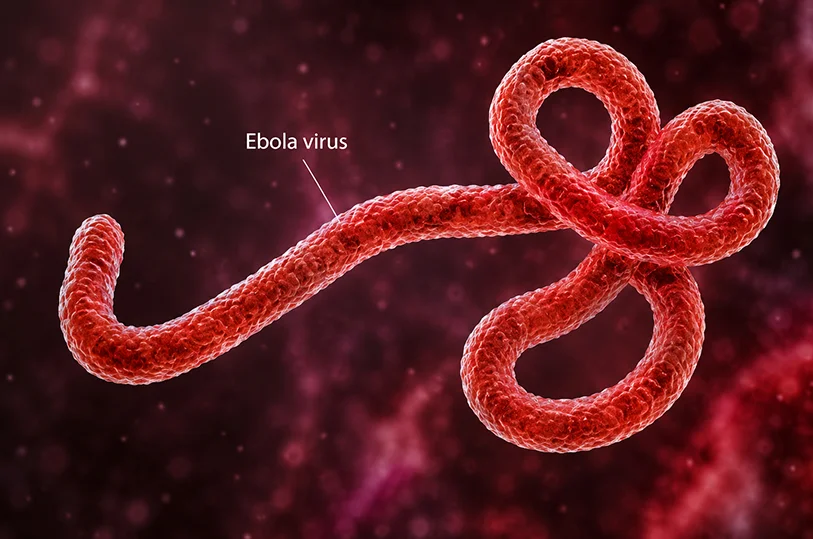
Ebola Virus Disease is a severe viral infection caused by the Ebola virus. It was first discovered in 1976 near the Ebola River in Central Africa, which is how the disease got its name.
The virus affects multiple organs and can weaken the body’s ability to fight infection. Without timely medical care, the condition can become extremely dangerous.
The Symptoms Often Start Like the Flu
One of the reasons Ebola can be difficult to identify in its early stages is that the first symptoms look very similar to common viral illnesses.
A person infected with Ebola may initially experience:
- High fever
- Severe headache
- Muscle aches
- Extreme tiredness
- Sore throat
- Chills
At first, these symptoms may seem like the flu, a seasonal infection, or even simple exhaustion. However, if the person has recently traveled to an affected area or been exposed to the virus, immediate medical evaluation is important.
Symptoms Can Become More Serious Quickly
As the infection progresses, symptoms may become more severe. Some patients develop:
- Persistent vomiting
- Severe diarrhea
- Stomach pain
- Skin rash
- Red eyes
- Difficulty breathing
- Unexplained bleeding or bruising
Not everyone with Ebola experiences bleeding, but it can occur in severe cases. The disease can damage blood vessels and affect the body’s ability to clot normally.
How Does Ebola Spread?
Unlike the common cold or flu, Ebola does not spread easily through casual contact.
The virus spreads through direct contact with:
- Blood
- Saliva
- Vomit
- Urine
- Sweat
- Other body fluids of an infected person
People can also become infected through contaminated medical equipment or contact with infected animals in outbreak regions.
Who Is Most at Risk?
The risk of Ebola is generally low for most people. However, certain groups face a higher risk of exposure, including:
- Healthcare workers
- Family members caring for infected patients
- Laboratory personnel
- Travelers visiting outbreak areas
Following proper infection control measures significantly reduces the risk of transmission.
Why Early Treatment Matters
There is no simple home remedy for Ebola. Early medical care is essential.
Doctors can provide supportive treatment such as:
- Intravenous fluids
- Oxygen support
- Blood pressure management
- Treatment for secondary infections
In recent years, advances in medical care and approved treatments have improved survival rates for many patients.
Can Ebola Be Prevented?
Yes. Prevention remains one of the most effective ways to reduce the risk of infection.
Simple precautions include:
- Washing hands regularly
- Avoiding contact with infected body fluids
- Following public health guidance during outbreaks
- Using protective equipment when caring for patients
- Receiving approved vaccines when recommended
Awareness and education play a major role in preventing the spread of Ebola.